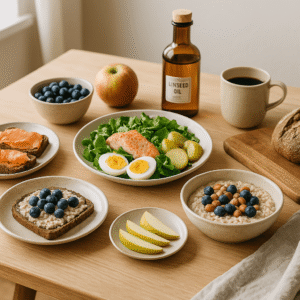
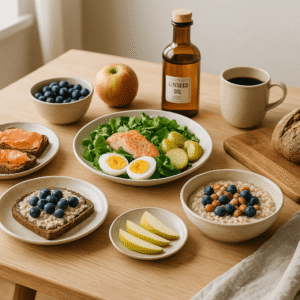
What to test for, and how to choose vegan dosages and formulations.
A plant-based diet is great, but there are three nutrients you need to pay particular attention to: vitamin B12, omega-3 from algae (EPA/DHA) and iron. Below is a straightforward guide on what to check, how to determine the right doses and which forms to choose.
1) Vitamin B12 — essential for vegans
Why? Vitamin B12 is virtually absent in plants. It is essential for the blood and the nervous system, amongst other things.
Tests: B12 level (holo-TC is also recommended) + complete blood count.
Dosage (for prevention, adults):
- Daily: 50–100 µg (micrograms) of B12,
or - Once a week: 2000 µg.
Form: cyanocobalamin (stable) or methylcobalamin. Lozenges/drops are convenient.
Follow-up: repeat the tests after 8–12 weeks to check the results.
2) Omega-3 from algae — EPA/DHA without fish
Why? They support heart and brain health and aid recovery. ALA from linseed or chia seeds isn’t enough — the body doesn’t convert it very well into EPA/DHA.
Dosage: 250–500 mg of EPA+DHA per day from microalgae oil (capsules/drops).
Pregnancy/breastfeeding: you usually need more DHA — check with your doctor.
Tip: continue to include ALA in your diet (flaxseed/linseed oil, walnuts), but treat this as a supplement.
3) Iron — test results first, then supplements
Why? It provides energy and helps transport oxygen in the blood. There’s plenty of it in plant-based foods, but it’s absorbed less efficiently.
Tests: ferritin, TSAT (transferrin saturation), complete blood count, CRP (for context).
If the results are normal (preventative measures):
- Eat foods rich in iron: pulses, tofu/tempeh, leafy greens, whole grains, pumpkin seeds, and cocoa.
- Combine with vitamin C (peppers, citrus fruits, pickled vegetables).
- Limit the following to meals containing iron: coffee, tea and high doses of calcium.
- Soak the iron supplements: soaking, sprouting and fermentation improve absorption.
If levels are low: take a supplement after consulting a doctor. Well-tolerated forms are usually iron bisglycinate or iron fumarate. Check your ferritin levels after 8–12 weeks.
A quick guide to getting started (4 steps)
- Get the following tests done: B12 (or holo-TC), complete blood count; ferritin, TSAT, CRP; optionally, Omega-3 Index.
- Establish a routine: 50–100 µg of B12 daily or 2000 µg per week; 250–500 mg of EPA+DHA per day; iron – via diet, supplements only following diagnosis.
- Make sure you include: pulses + whole grains + greens + flaxseed/flaxseed oil every day.
- Check after 8–12 weeks and adjust the doses.
Common mistakes (and quick fixes)
- “Yeast flakes are enough for B12” → no. Always take a B12 supplement.
- “ALA from flaxseed = EPA/DHA” → no. Add algae.
- “I’ll take some iron just in case” → tests first.
- “Vegan = always healthy” → make sure you get enough calcium, iodine, vitamin D, selenium and protein too.
Safety
This information is intended for healthy adults. Are you pregnant or breastfeeding? Are you taking medication or do you have a chronic condition? Please consult your doctor or a dietitian regarding dosages and results.
Summary
If you’re on a plant-based diet, make sure you get: B12 every time, omega-3 from algae every day, and manage your iron intake based on your test results and habits. Simple, effective and no guesswork.
Tags: #veganSupplements #B12 #omega3FromAlgae #iron #plantBasedDiet #research #dosage #health