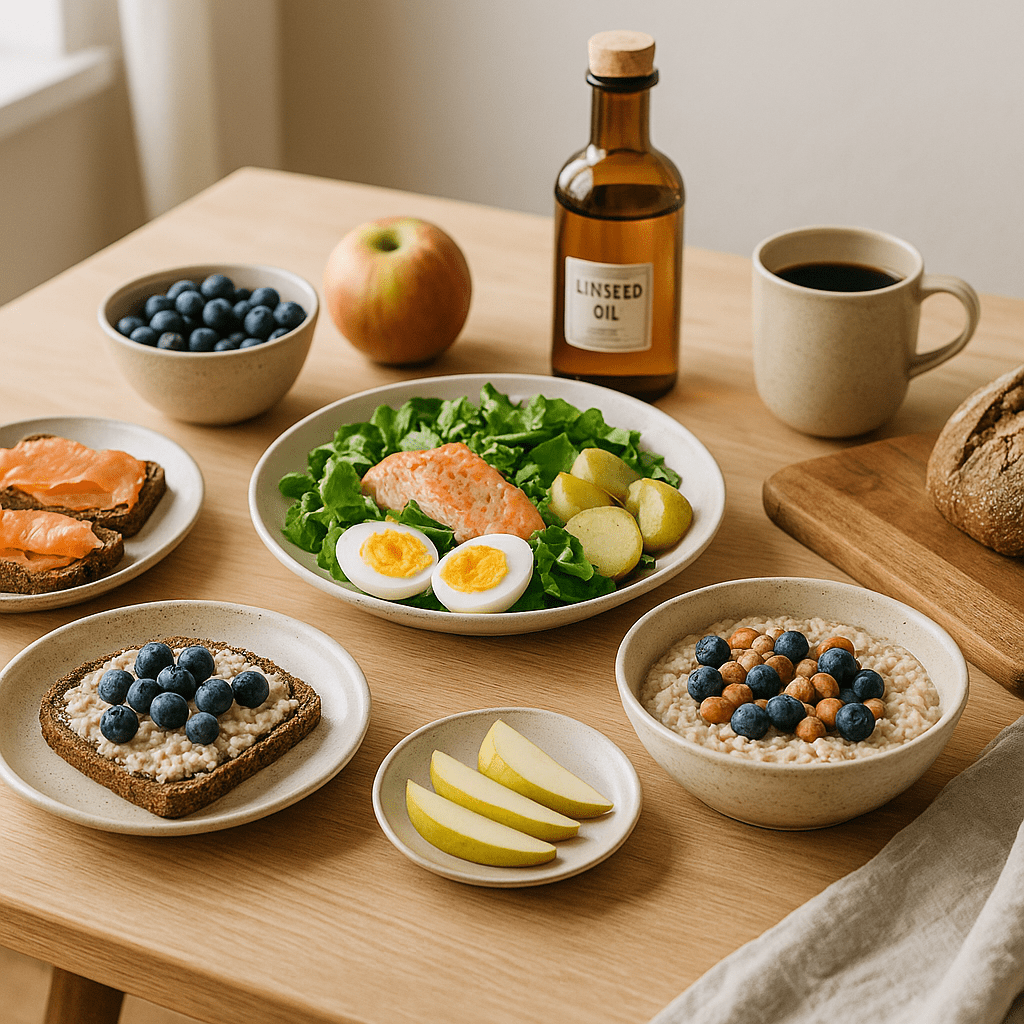
The Nordic diet combines simplicity with high nutritional density. It is based on local produce: sea fish, whole grains (rye, oats, barley), root vegetables, brassicas, pulses, berries and healthy plant-based fats. Whether you exercise, do mental work or simply want to feel steady throughout the day, this eating philosophy works well with sensible supplementation — particularly omega-3s and vitamin D.
Please note: This is for informational purposes only. If in doubt, consult your doctor about taking supplements and base your decision on test results (e.g. 25(OH)D).
What makes the Nordic diet stand out?
- Simple, unprocessed foods – short ingredient lists, high in fibre.
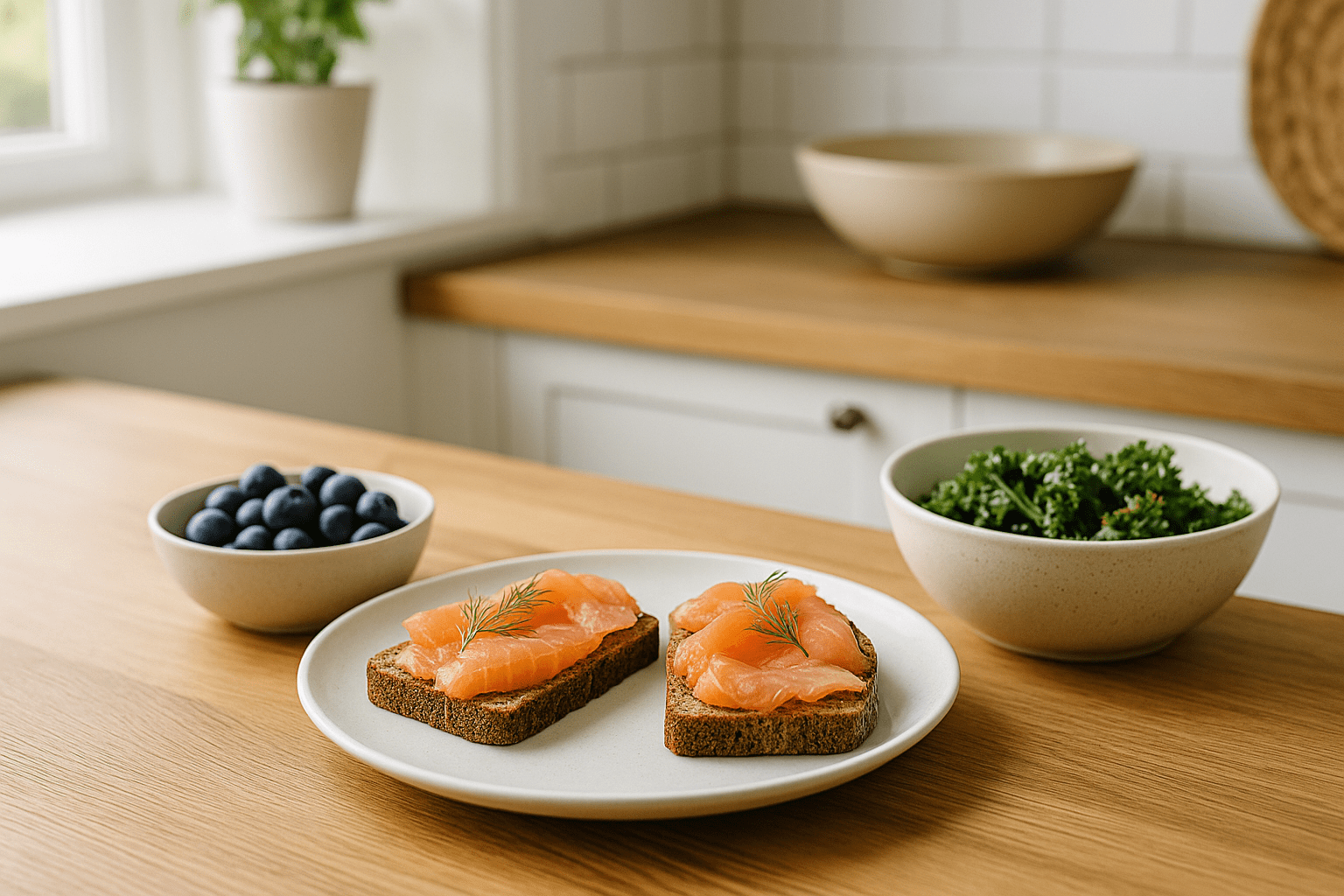
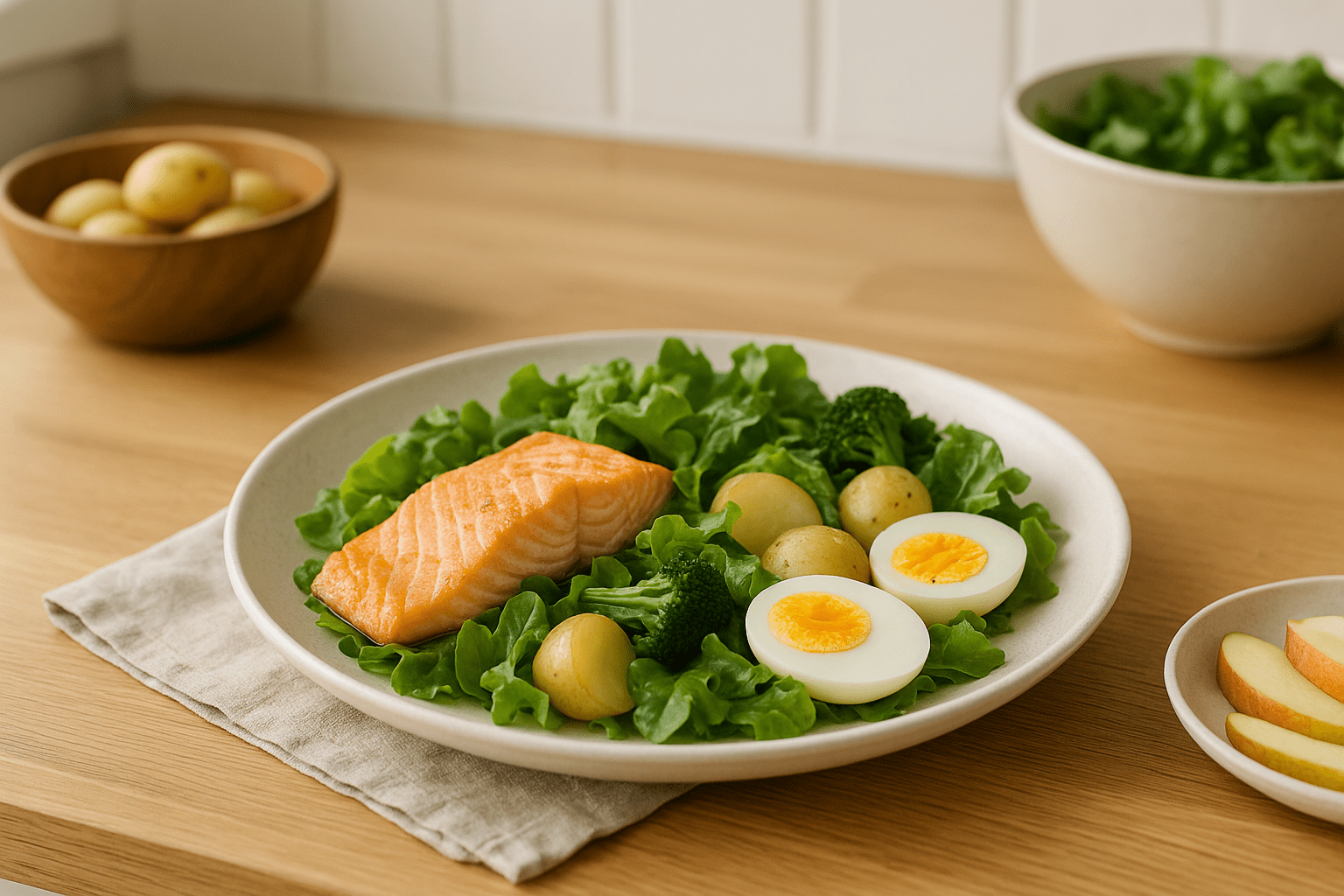
- Oily sea fish 2–3 times a week (salmon, herring, mackerel).
- Wholemeal grains every day: wholemeal rye bread, porridge, pearl barley.
- Seasonal vegetables and pulses – plenty on your plate and a feeling of fullness.
- Berries and forest fruits – natural antioxidants.
- Rapeseed/linseed oil and nuts – sources of unsaturated fatty acids.
Why omega-3 and vitamin D, of all things?
- Omega-3 (EPA/DHA): support heart and brain function, as well as recovery after exercise. In real life, it’s difficult to eat oily fish several times a week – so taking supplements helps to make up the shortfall.
- Vitamin D: in Poland, there is not enough sunshine for most of the year to produce optimal levels. Vitamin D is important for, amongst other things, the immune system and bone health.
Always adjust the dosage according to test results and your doctor’s advice. Avoid taking high doses without proper guidance.
How to incorporate this into your daily routine (a simple guide)
In the morning
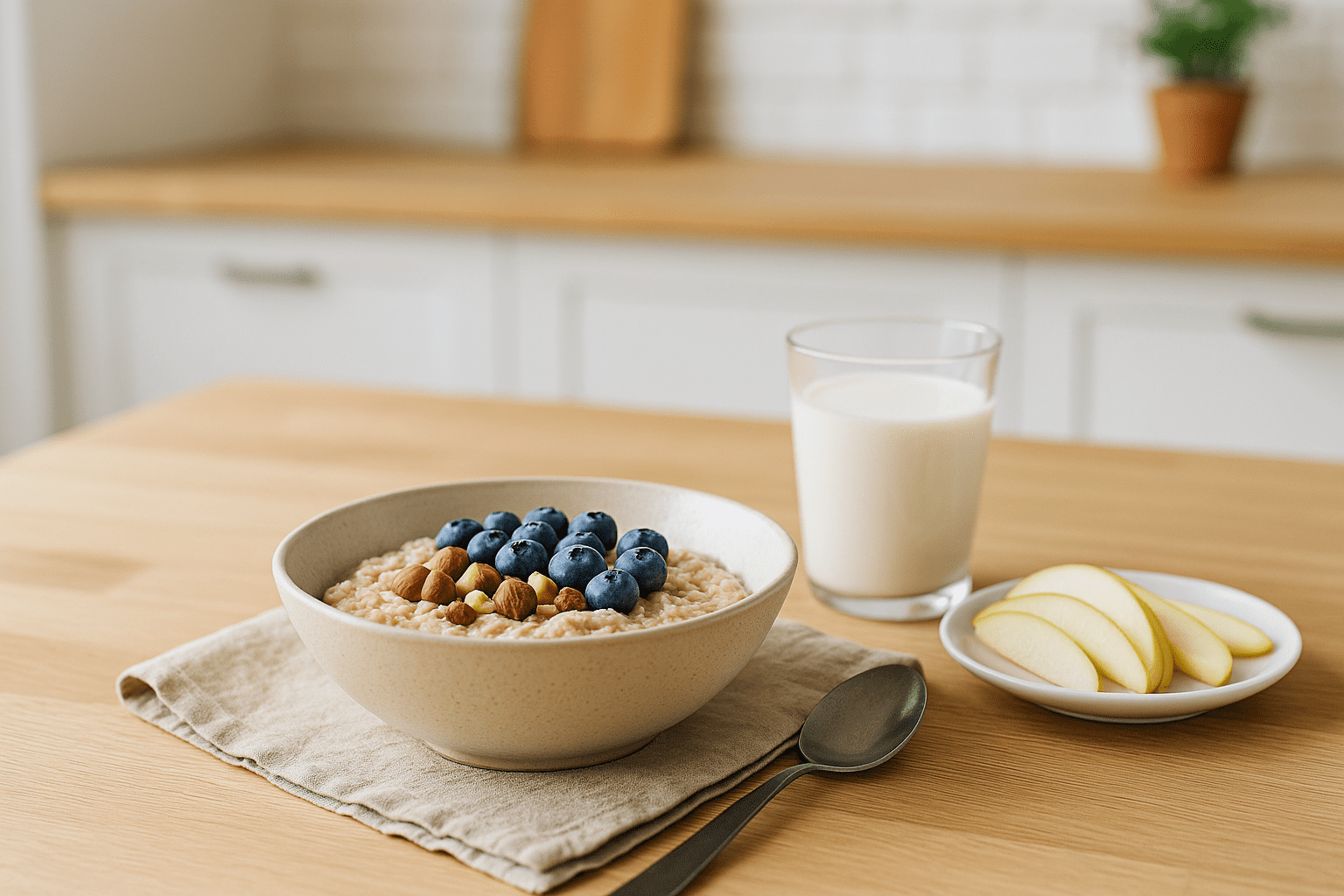
- Oatmeal with plant-based milk/plain yoghurt + a handful of berries + a tablespoon of flaxseed.
- Take vitamin D with breakfast or your main meal of the day (it is better absorbed when taken with fat).
Lunch
- Baked salmon or mackerel + barley groats + a salad of sauerkraut and carrots.
- If you’re not eating fish today, consider taking an omega-3 (EPA/DHA) supplement with your meal.
Dinner/after training
- Rye bread sandwiches with chickpea spread and pickled gherkins; or a salad with egg, potatoes and herring.
- After intense exercise: a portion of protein (Skyr yoghurt/cottage cheese) and complex carbohydrates.
Stay hydrated throughout the day: water, herbal teas; during long training sessions – electrolytes.
What should you look out for when choosing a supplement?
- Label transparency: the amount of EPA and DHA per serving is clearly stated, and the form of vitamin D (usually D3).
- Pure ingredients: no unnecessary fillers, artificial colours or flavourings.
- Source and quality: batch purity certificates, testing for heavy metals; for fish oils – a declaration of origin.
- Form: soft capsules/liquid oil, for your convenience; vitamin D is best taken with fat.
- Standardisation: consistent levels of active ingredients.
- Transparency: the manufacturer publishes the results of quality tests.
The most common mistakes
- “I get plenty of sun, so I don’t need vitamin D” – in Poland, apart from a few summer months, that’s usually not enough.
- “I’ll have some tinned tuna – it’s like a supplement” – different fish have different EPA/DHA content; plan your diet carefully.
- “More is better” – high doses without proper testing are risky.
- “Omega-3 only on days when you don’t eat fish” – that’s practical, but count the days each week; consistency is key.
When should you have your levels checked?
- 25(OH)D – to determine the correct dose and monitor the effect after 3–4 months.
- Omega-3 Index (if available) – an assessment of long-term omega-3 status.
- Always take into account any medication you are taking, pregnancy or breastfeeding, and any chronic conditions – consult your doctor.
A quick implementation checklist
- Aim for 2–3 fish meals a week or make sure you get a regular dose of omega-3.
- Include a handful of berries and at least 400–600 g of vegetables (including brassicas and root vegetables) every day.
- Choose whole grains: rye, oats and barley.
- Base your vitamin D supplementation on test results and take it with a meal containing fat.
- Keep a simple diary (note down your meals, portions of fish and supplements) for 4–6 weeks – you’ll see what works.
Summary
The Nordic diet is a recipe for sustained energy, satiety and simple cooking. Combined with sensible supplementation of omega-3 and vitamin D – tailored to your test results – it lays a solid foundation for healthy habits all year round.